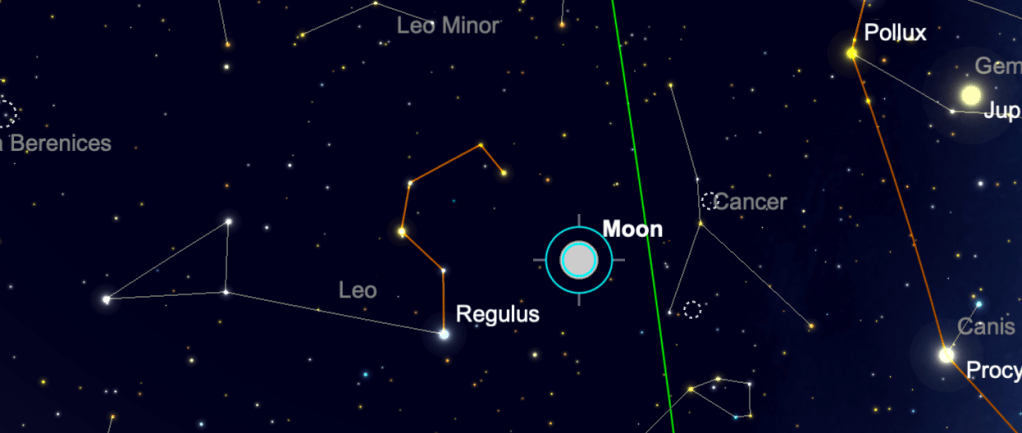
Feb 1 – Full Moon
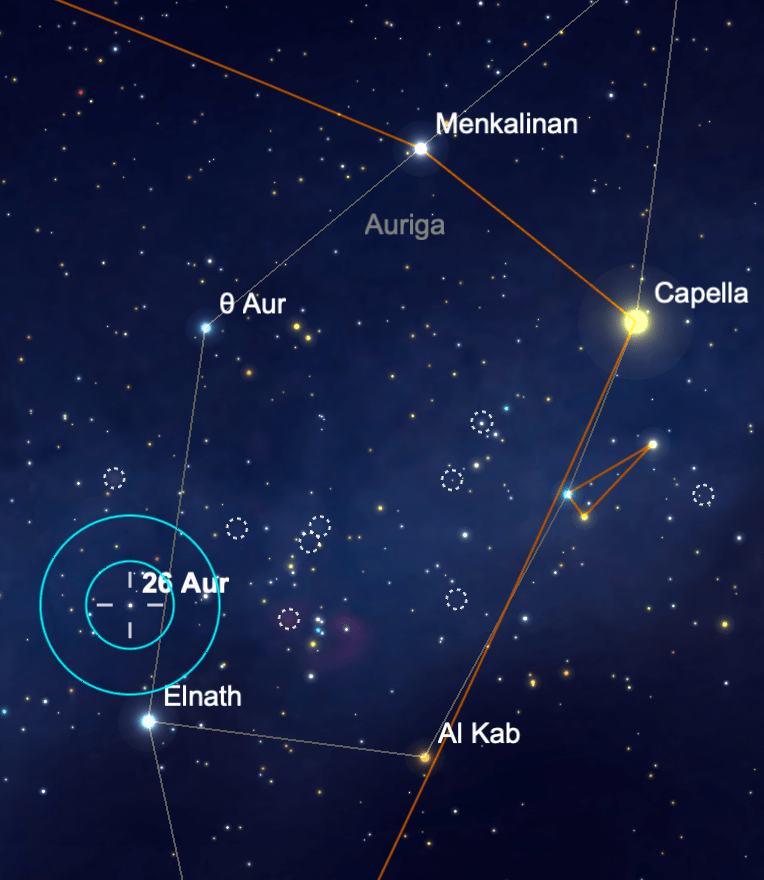
26 Aur Coulourful Double
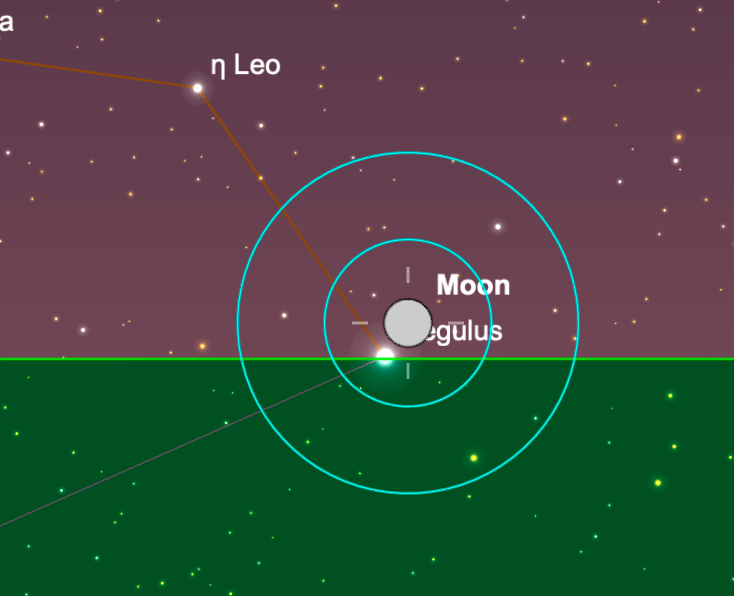
Feb 2 – Regulus occulted by Moon for Most NA 8:50pm EST
Feb 3 – Zodiacal Light becomes visible this month in W evening skies when Moon isn’t in sky.
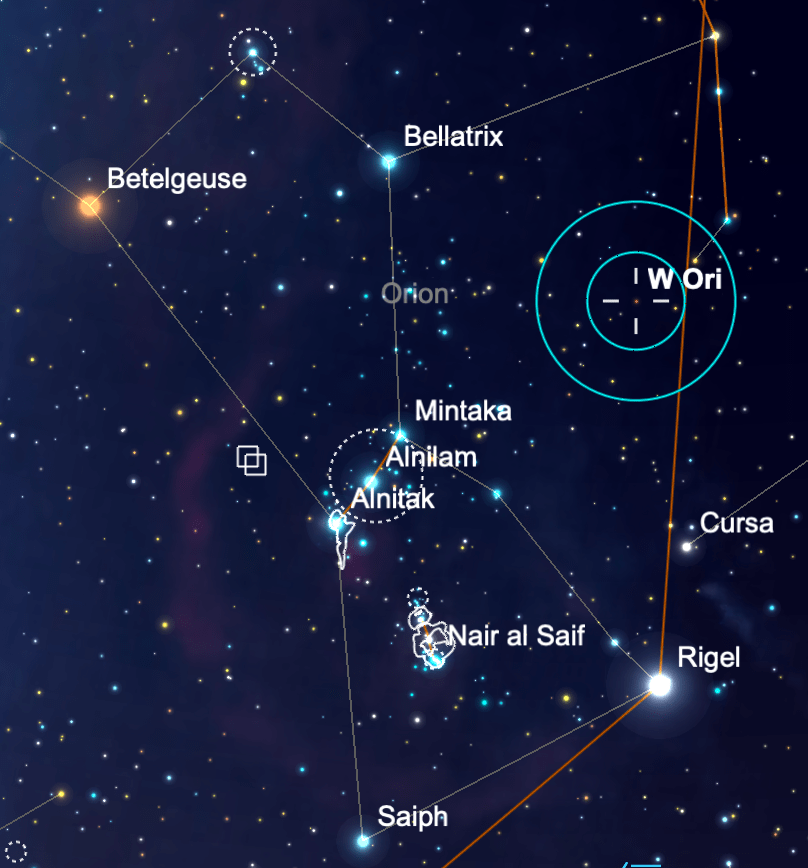
Feb 6 – Carbon Star W Orion best this evening
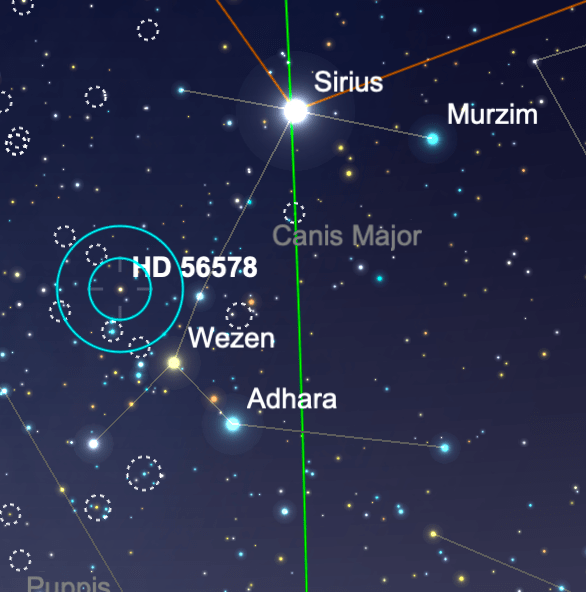
Feb 7 h3945 CMa Colourful Double well placed
Feb 9th Last Quarter Moon
Gegenschein high in S at midnight for next 2 weeks
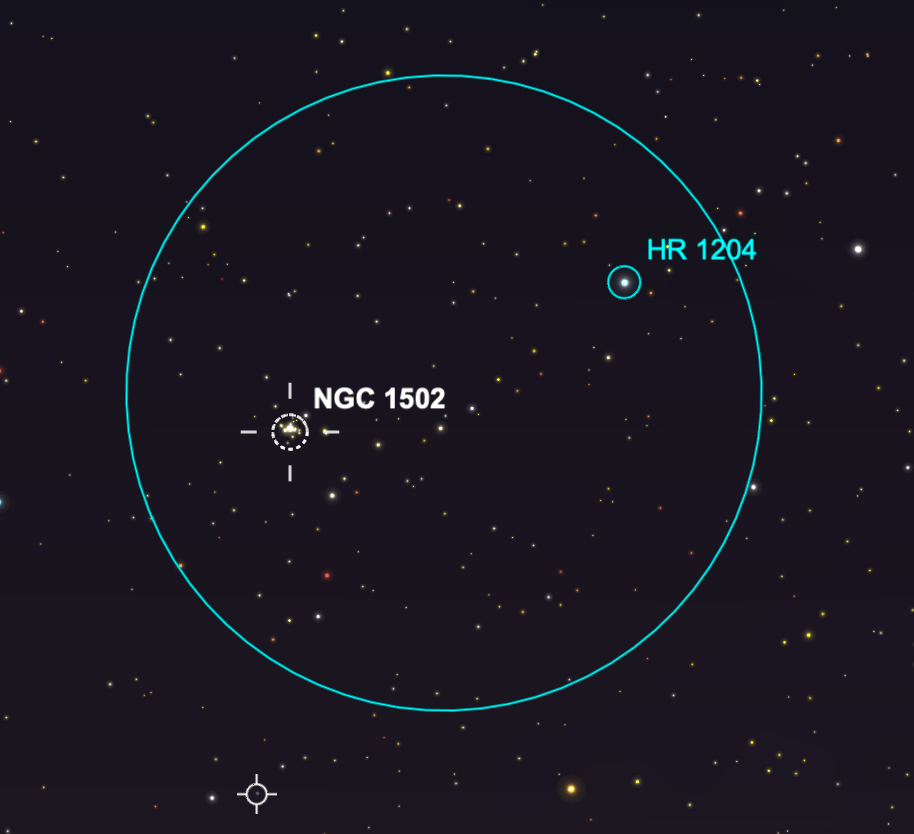
NGC 1502 Well placed at the end of Kemble’s Cascade
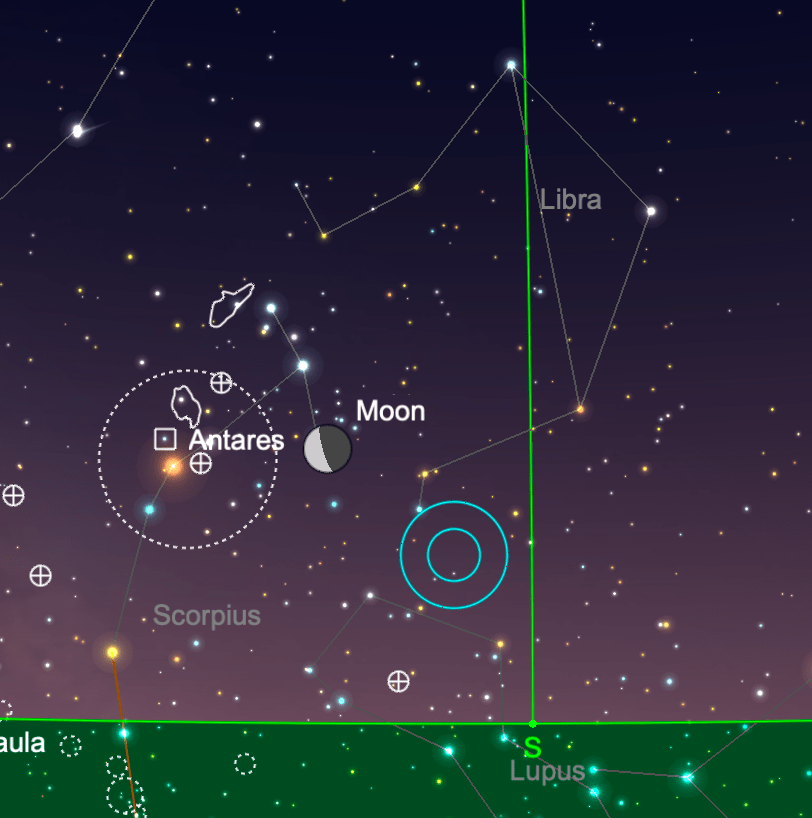
Feb 10th – Antares 0.7 degrees N of Moon
Not here in NA!
Lunar Curtis X visible
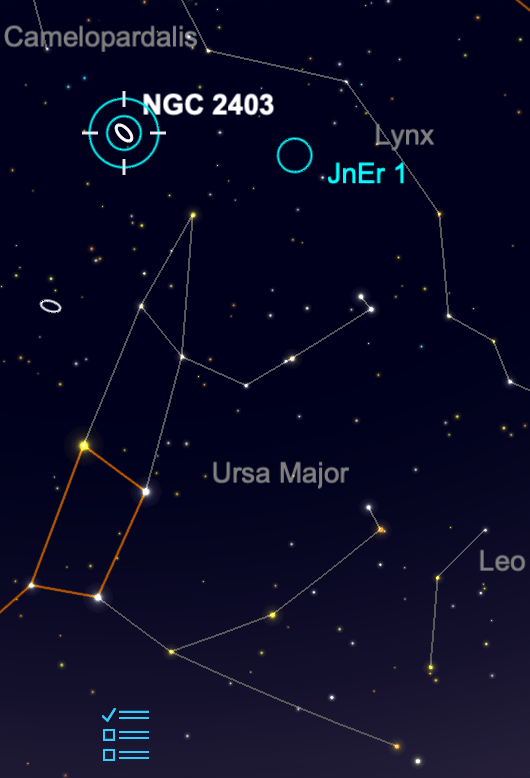
NGC 2403 Well placed.
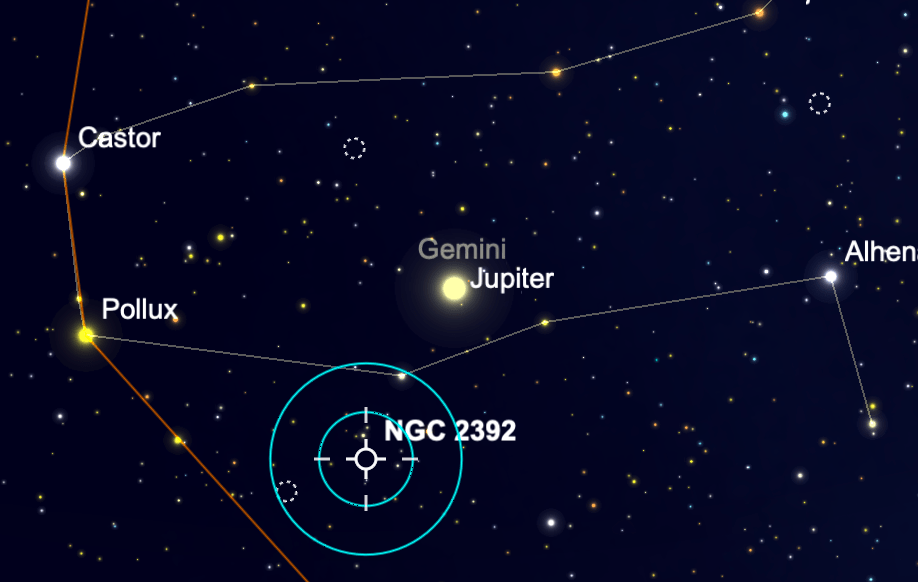
NGC 2392 Well Placed
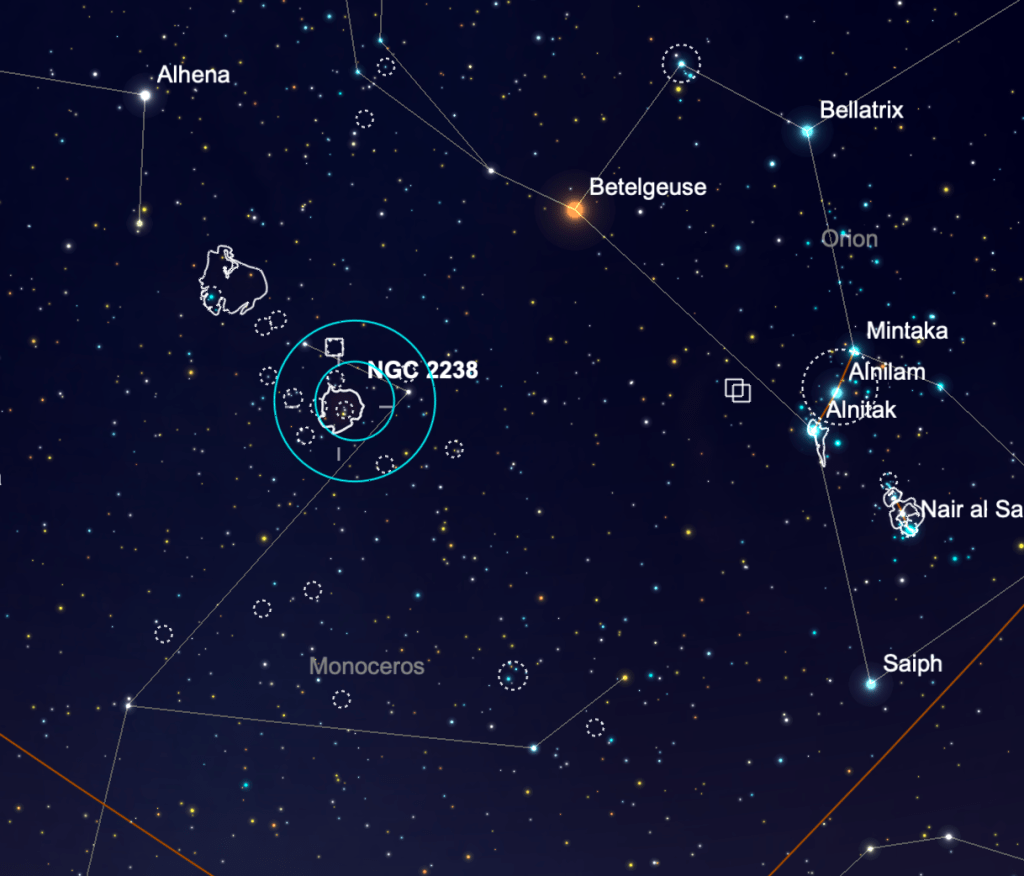
NGC 2237 Well Placed
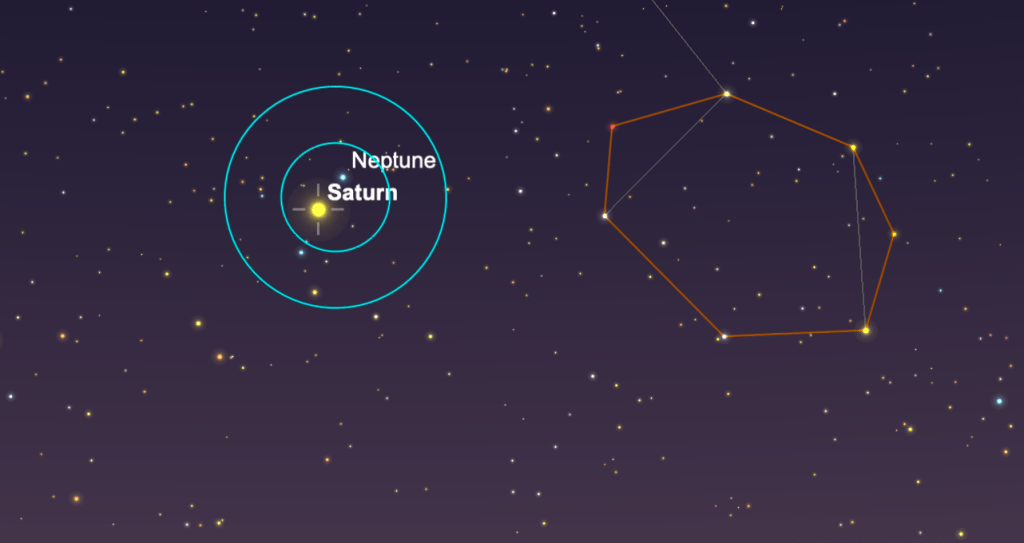
Feb 15 – Saturn .9 degrees S of Neptune
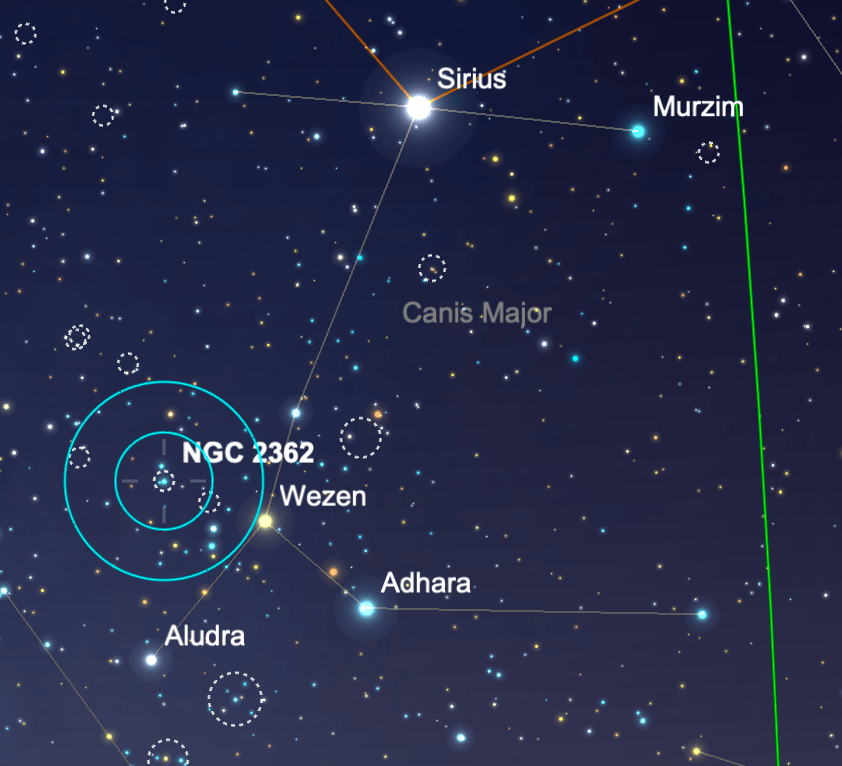
NGC 2362 Well placed this evening
Feb 18 – Venus 1.7 degrees S of Moon and Mercury .1 degrees N of Moon, Occultation for S USA.
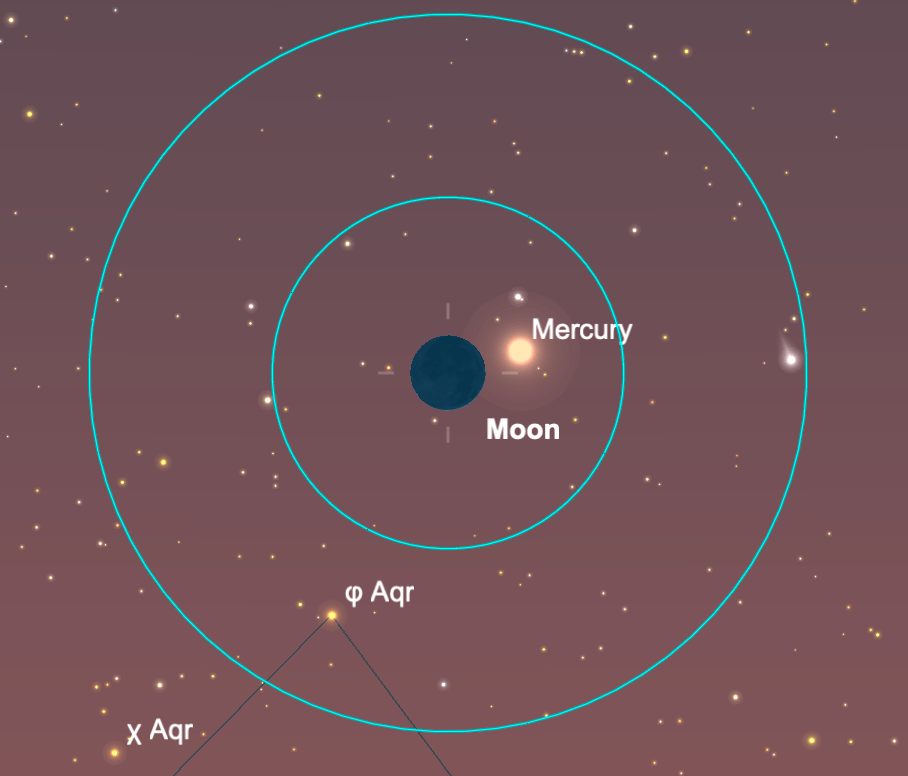
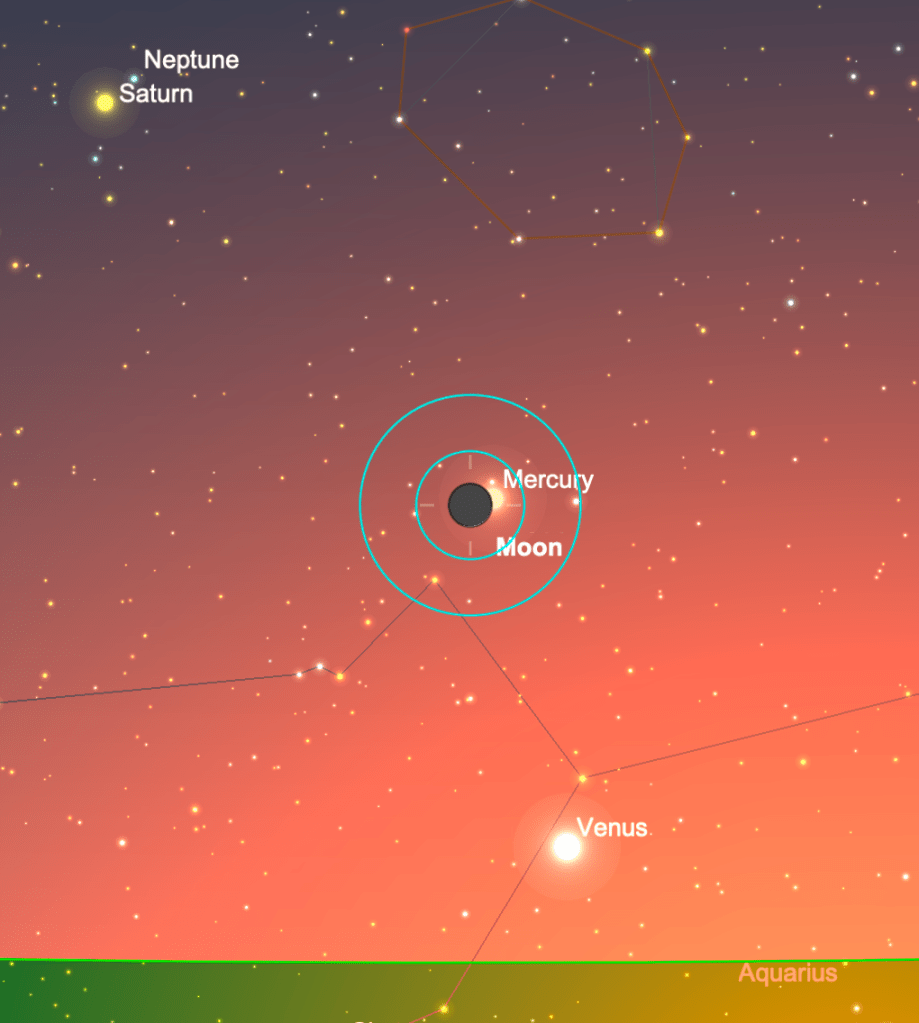
Feb 19 – Mercury at greatest Elongation 18-degrees from Sun in evening sky.
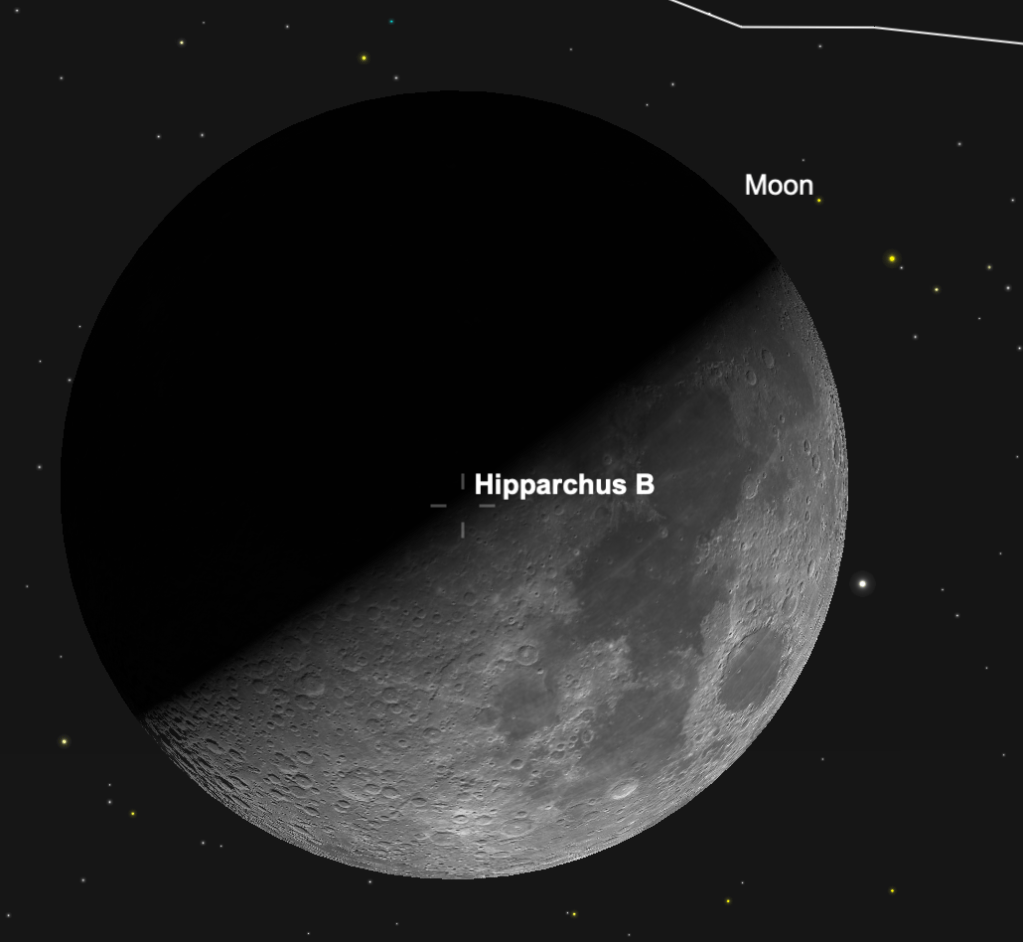
Feb 23 – Hipparchus Ray
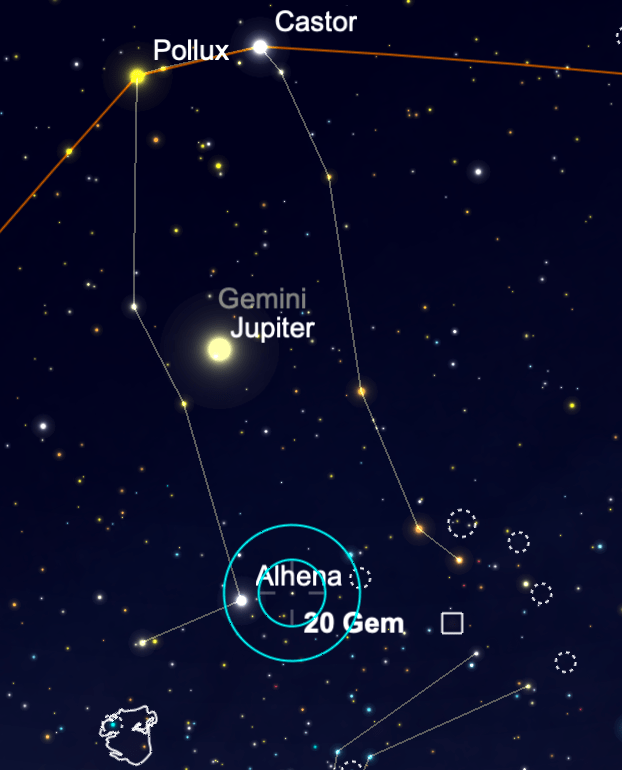
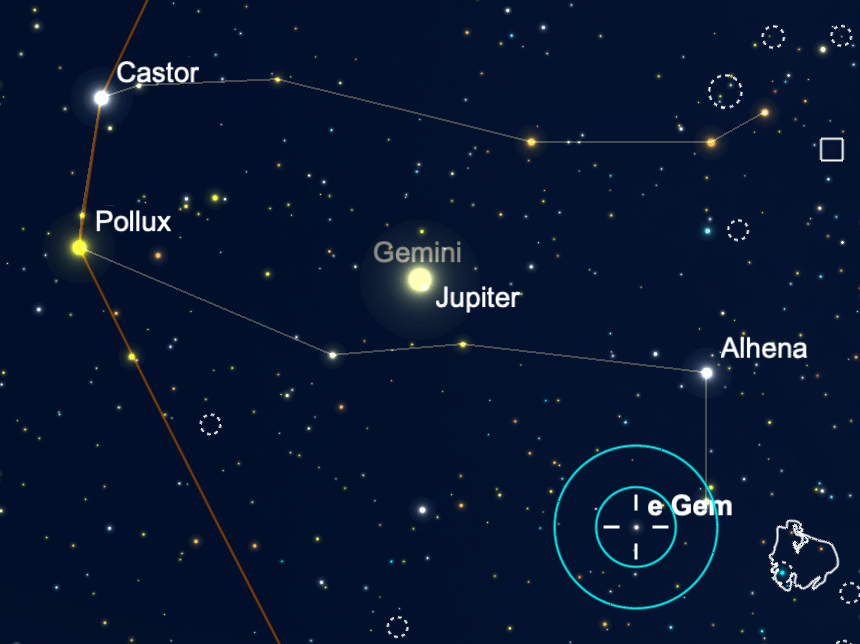
20 Gem Colourful double star
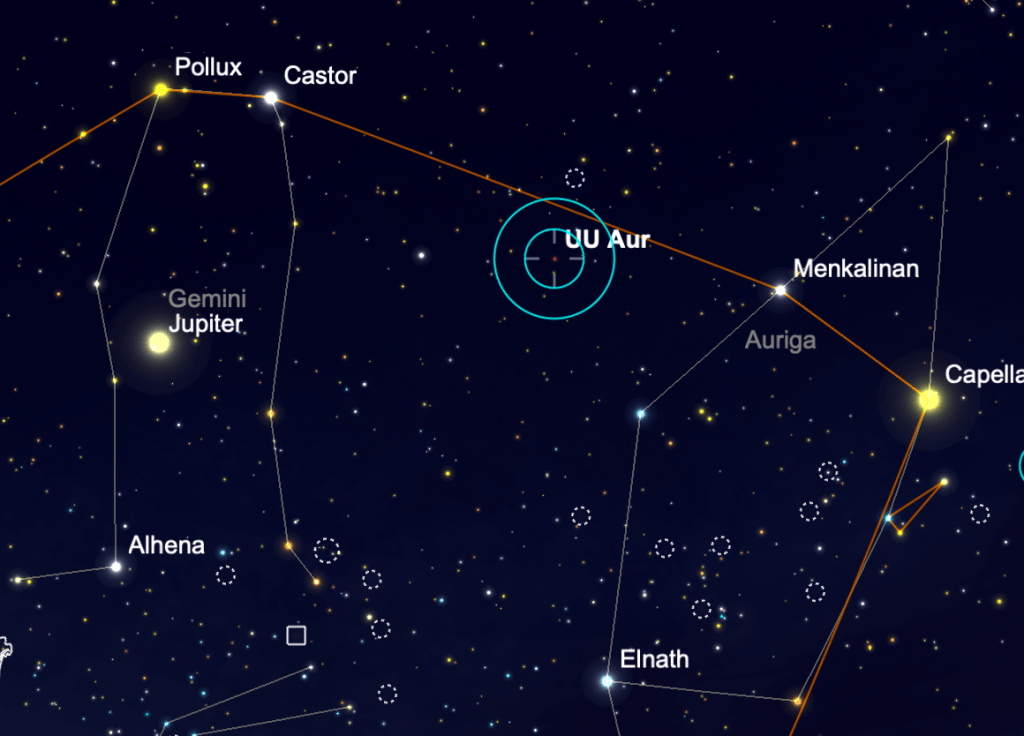
Carbon Star UU Aur best
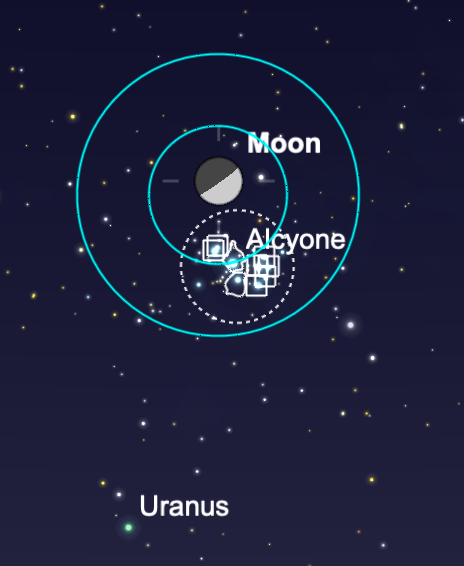
Feb 24 First Quarter Moon & PLEIADES
Magnus Ray visible and Mons Pico & Beta
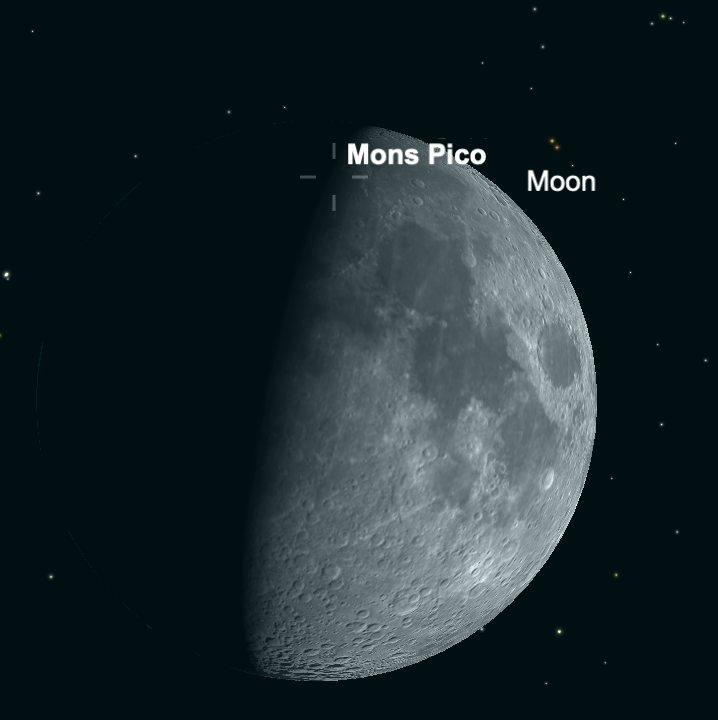
Feb 25th – Lunar Straight Wall Visible
38 Gem colourful Double
Feb 26th – Mercury 5-degrees N of Venus
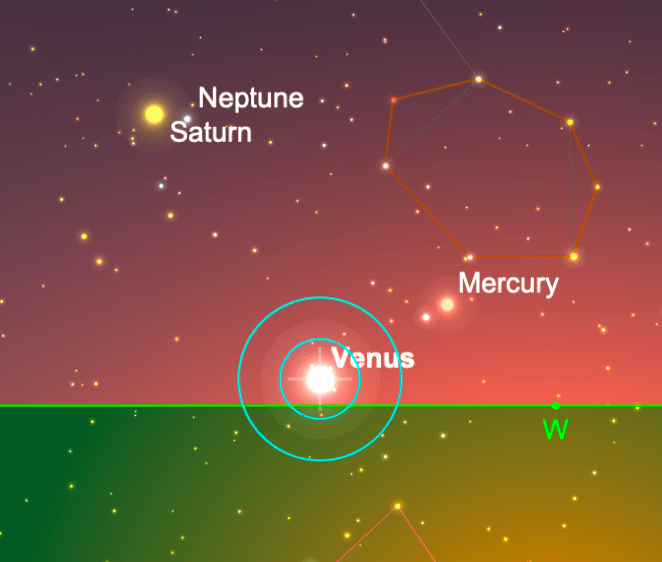
Feb 27th – Jupiter 4-degrees S of Moon – Not here
7 – Iris at opposition M-8.7
7 Iris is a large main-belt asteroid and the fourth-brightest object in the asteroid belt. Discovered in 1847, it is classified as an S-type (stony) asteroid and is considered a possible remnant planetesimal.
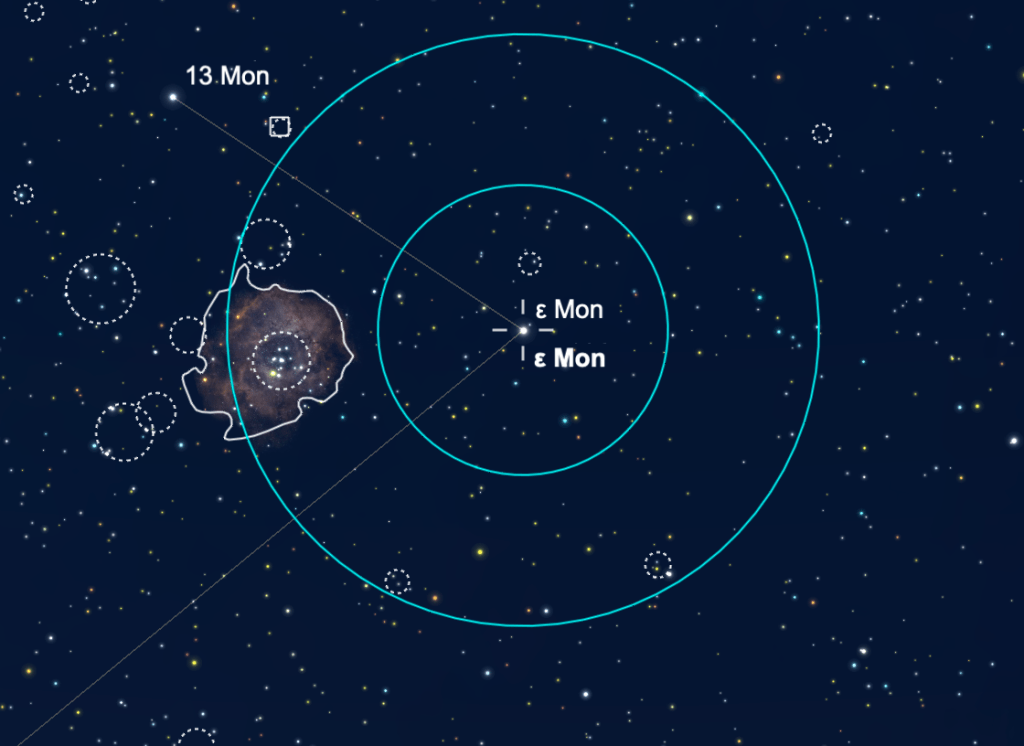
8 Monoceros colourful double
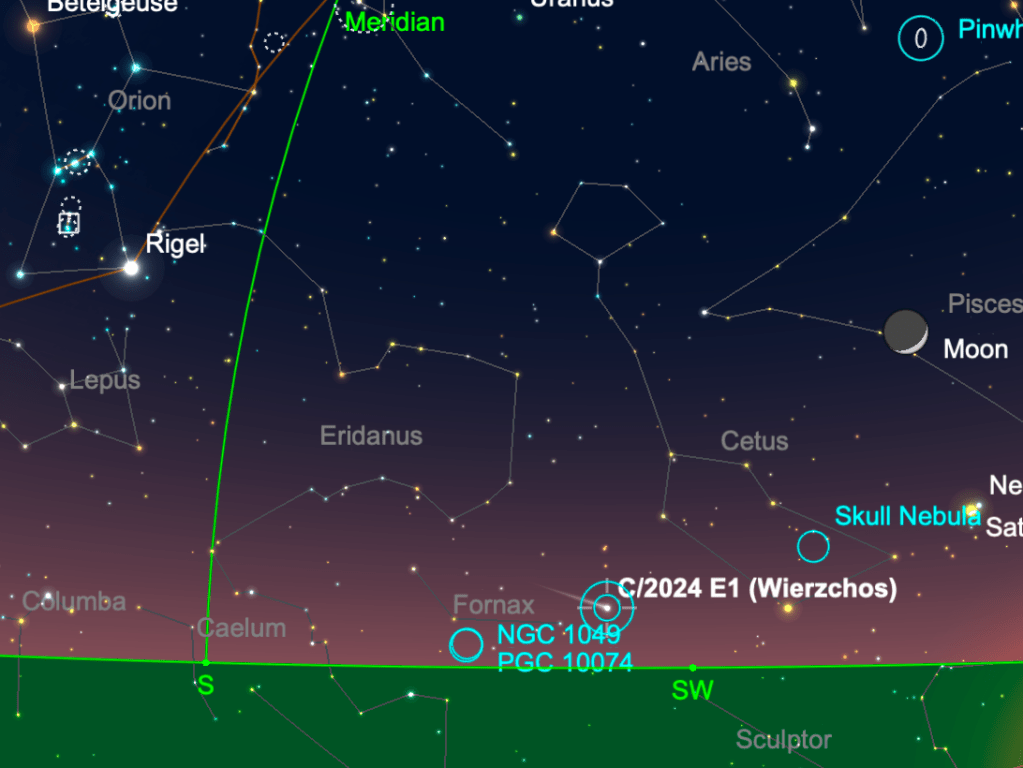
Comet E1 – better to the S but we get it at ~mag. 6.5 and fading
Polish astronomer Kacper Wierzchos at the University of Arizona discovered a new comet on March 3, 2024, that was then named for him. The comet has slowly been making its way closer to the inner solar system. On January 20, 2026, Comet Wierzchos – or C/2024 E1 – will reached perihelion, its closest approach to the sun. on February 17, Wierzchos will be closest to Earth, at 94 million miles (151.5 million km)
 The Actual Astronomy Podcast
Thank you for your latest program. The double stars have been added to my lists.
Only the tips of Auriga, Andromeda and Perseus can be seen on the northern horizon at this latitude so any viewing here is through maximum atmosphere while the Crux is circumpolar.
Hoping for some cooler weather here in South Australia. Just finished a week with many consecutive days over 40º to 42ºC with a high of 45ºC and an overnight low temperature of 36ºC in metropolitan Adelaide. Takes awhile to cool a 14 inch mirror and with summer time set an hour later viewing doesn’t really begin until 10pm.
Go well, Michael.
LikeLike