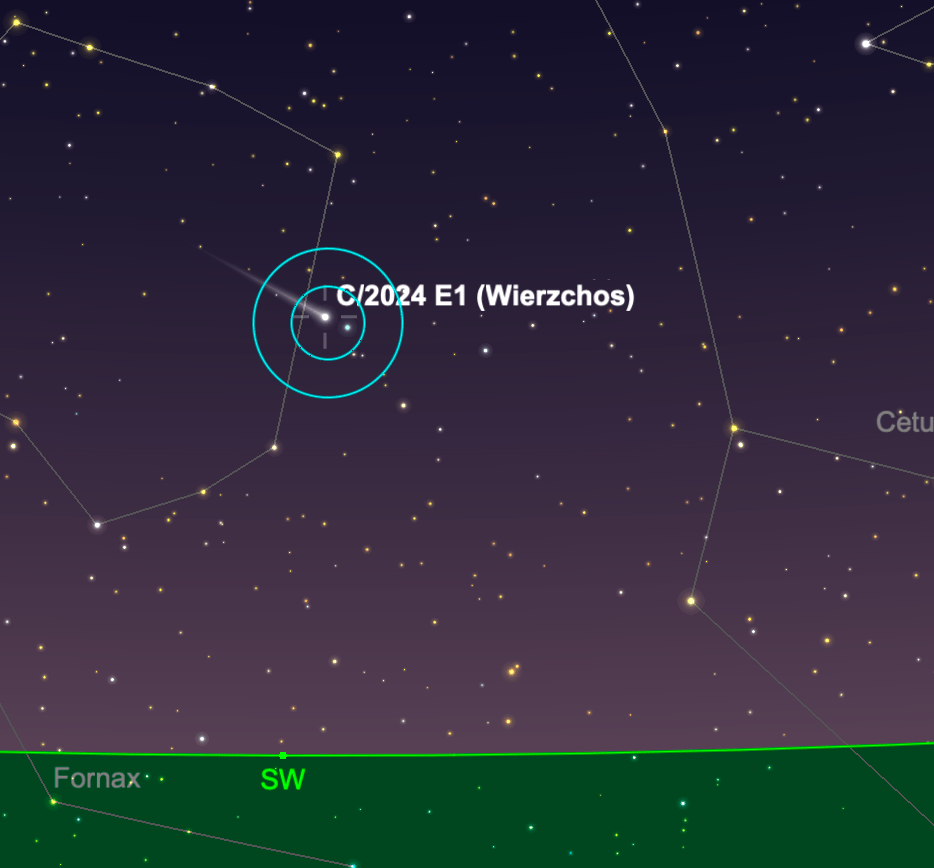
End of Feb. beginning of March Comet C/2024 E1 Wierzchos 6th – 7th magnitude
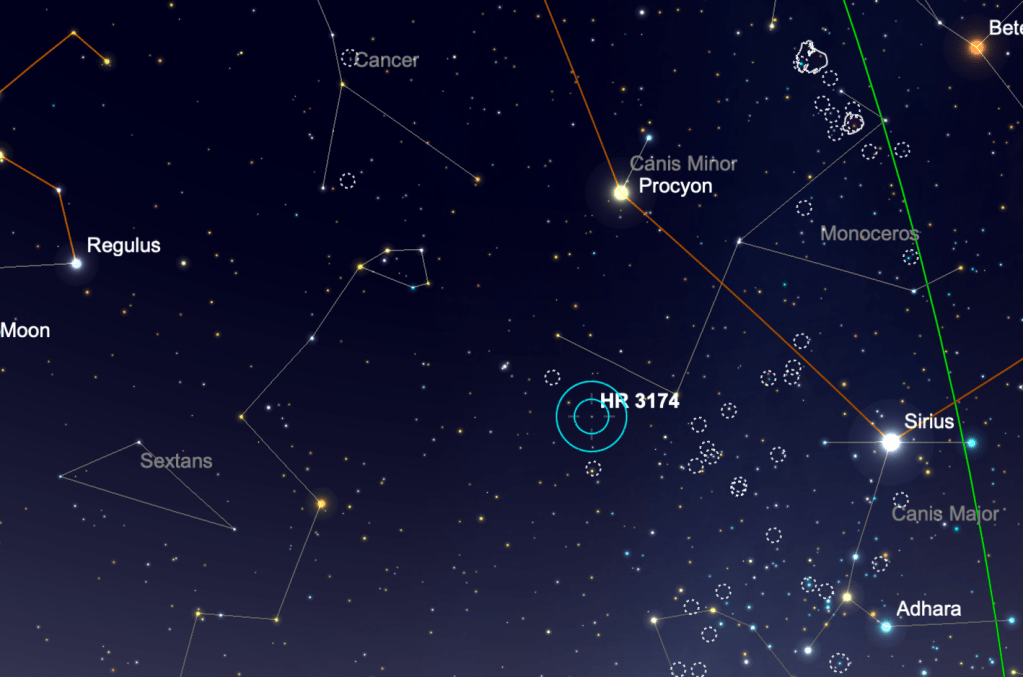
Mar 1 – Struve 1183 Monoceros – Colourful Double
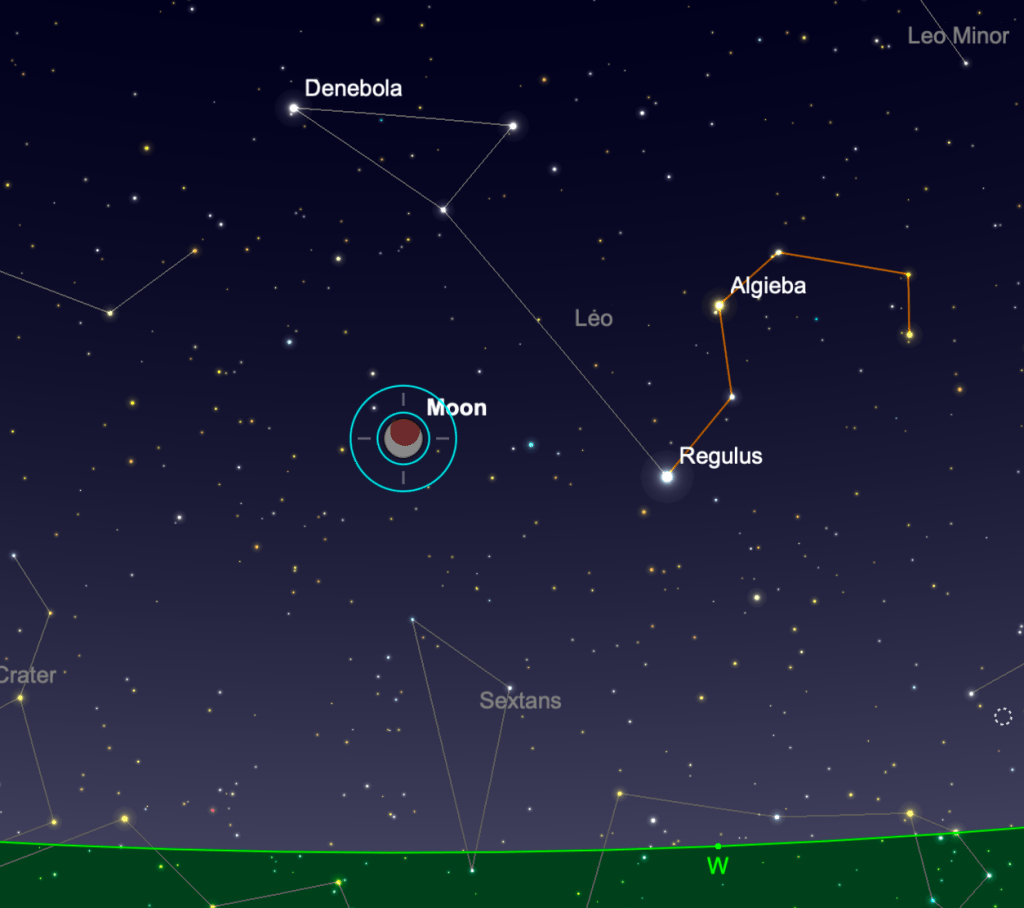
Mar 2 – Regulus .4-degrees S of Moon – Need to be further East…7-degrees for us
Mar 3- Full Moon & Lunar Eclipse for Western NA 5:30am here
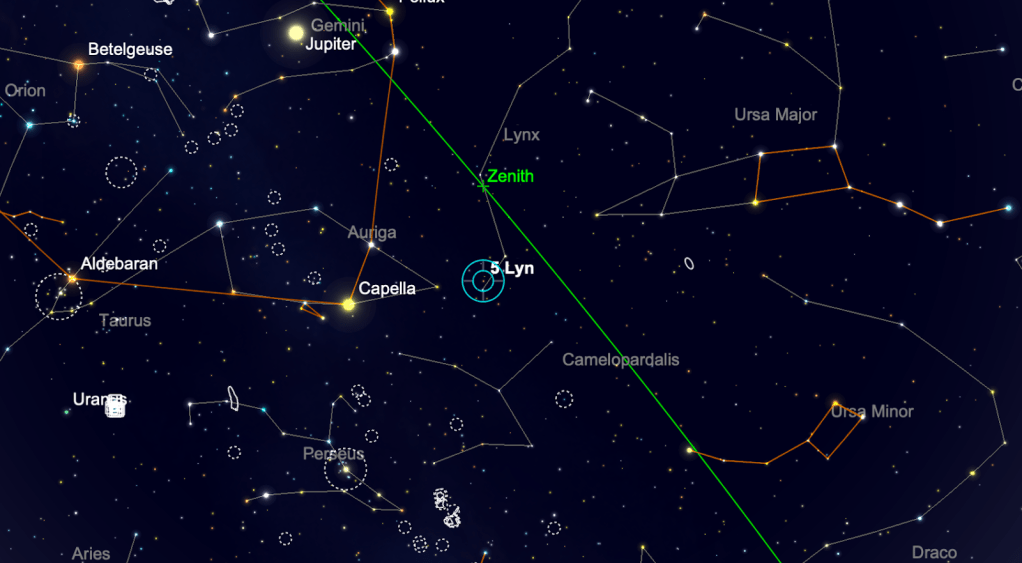
5 Lynx colourful double star
Mar 5 th. – Zodiacal Light as we get into the new moon, seen in W after dark.
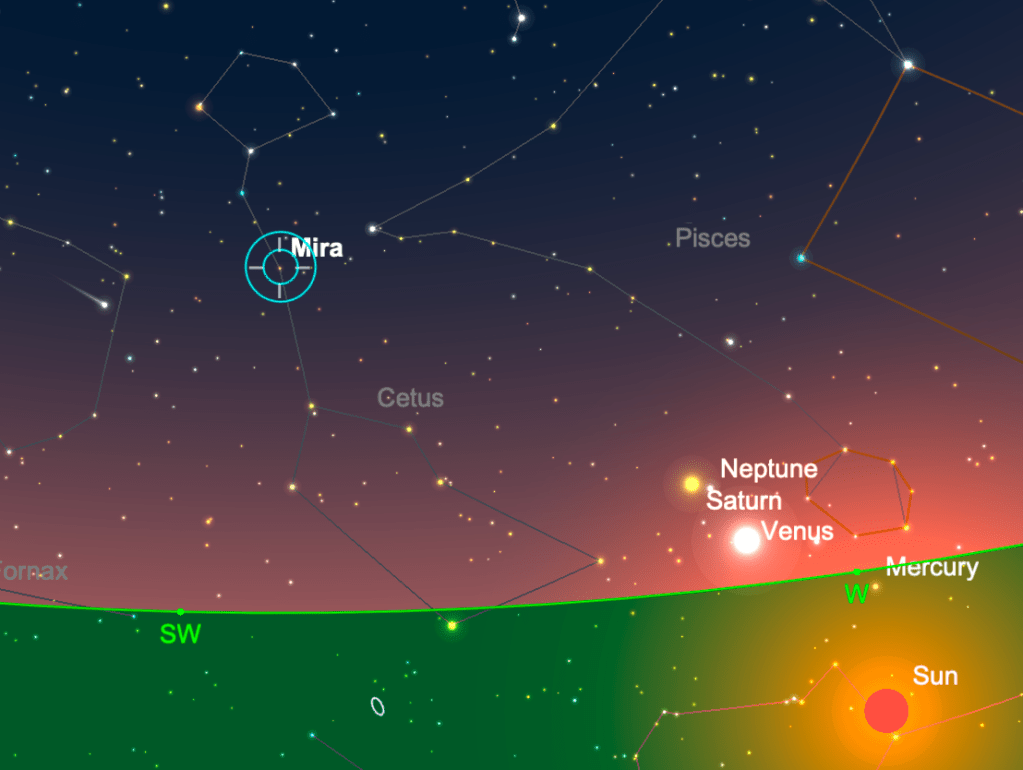
Mar 7 – Long Period Variable Star Mira at Max
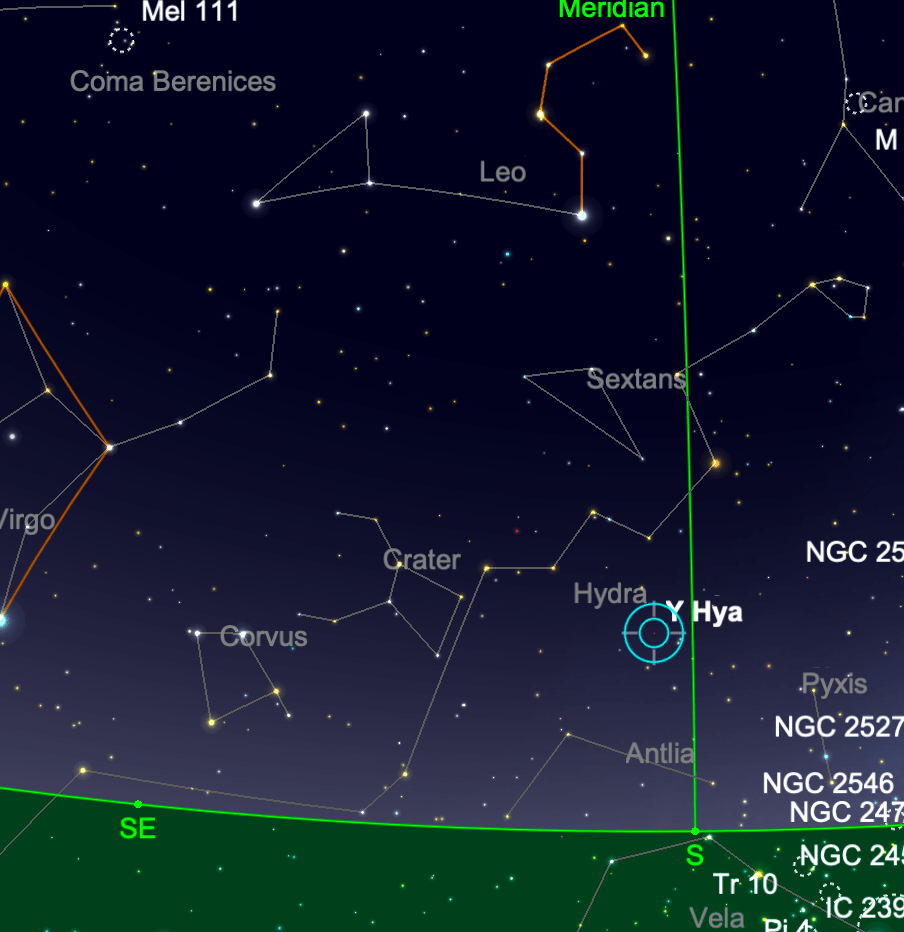
Carbon Star Y Hydra best
Mar 8th – daylight savings time begins at 3am
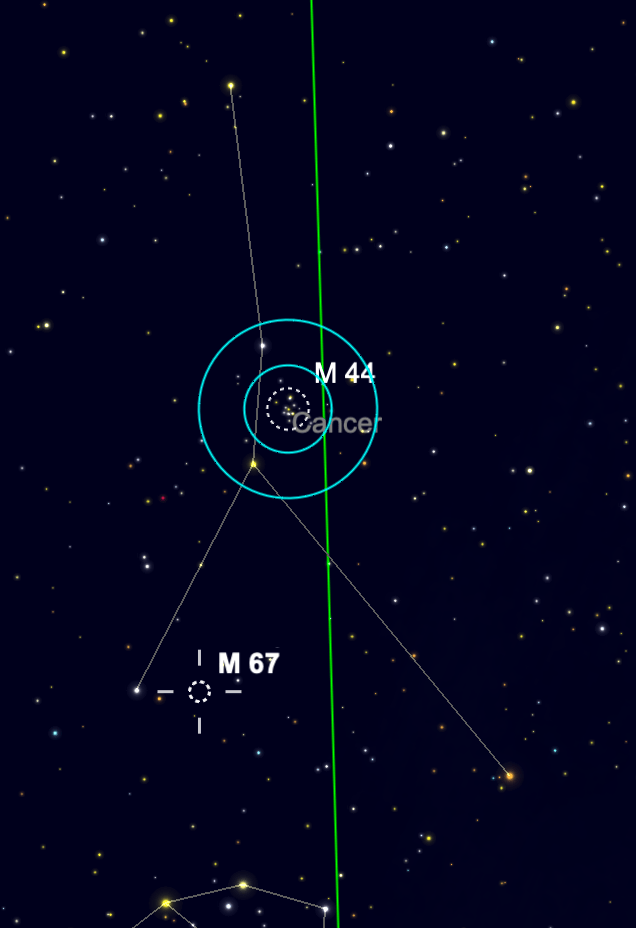
Mar 9 th – M44 & M67 well placed this evening.
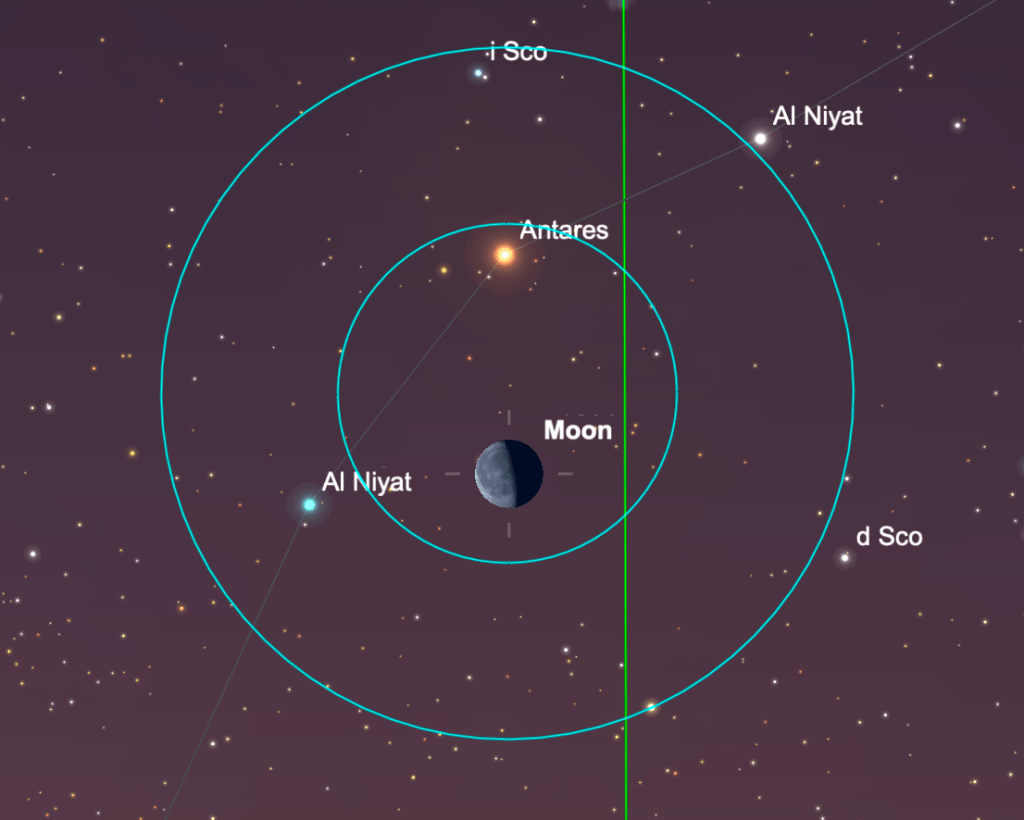
Mar 10th – Antares 0.7degrees N of Moon
Mar 11th – Last quarter Moon & Gegenschein high in S at midnight
Two shadows visible on Jupiter Mar 11/12th but below horizon for us
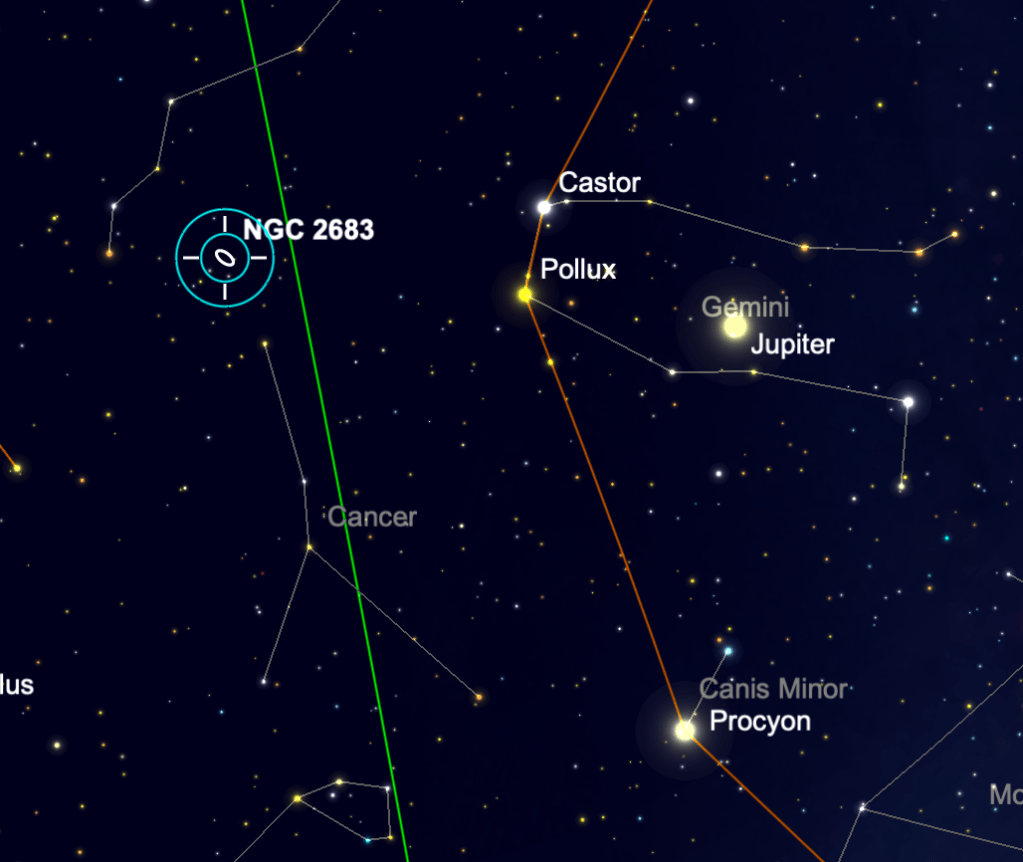
NGC 2683 well placed
Mar 12th Lunar Curtis X visible
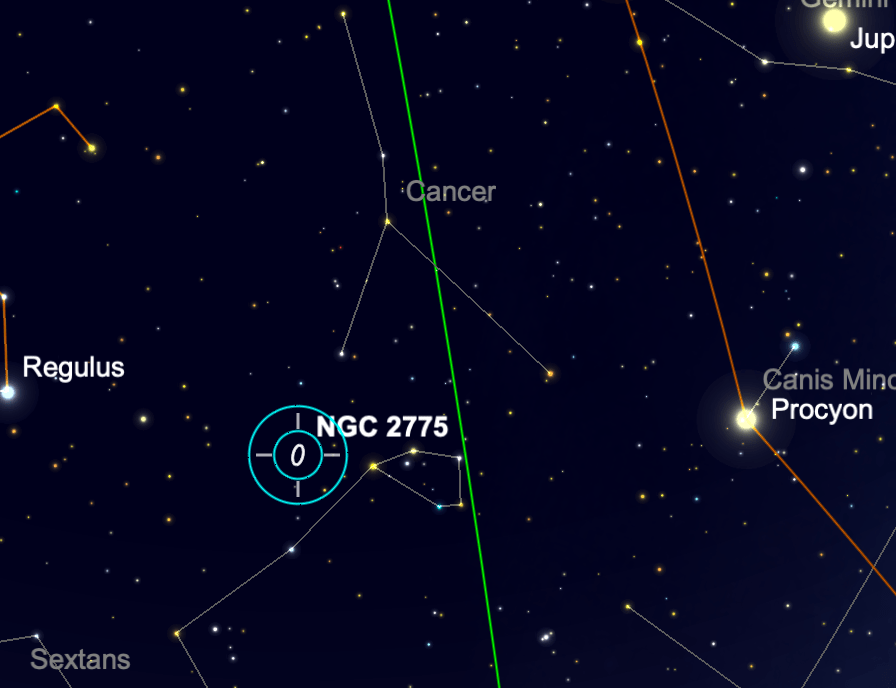
NGC 2775 well placed
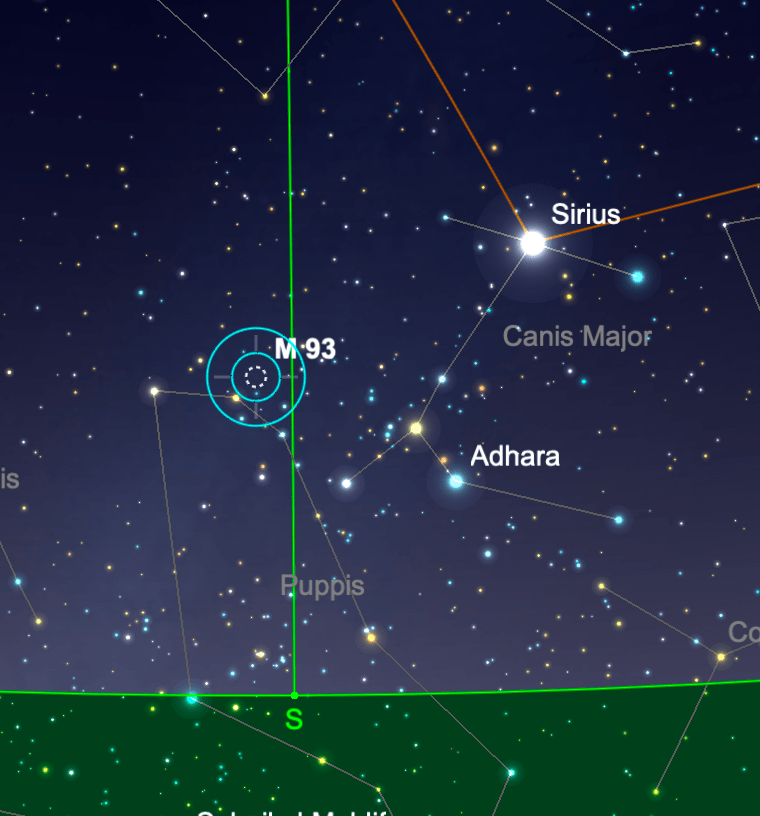
Mar 13th – M93 well placed
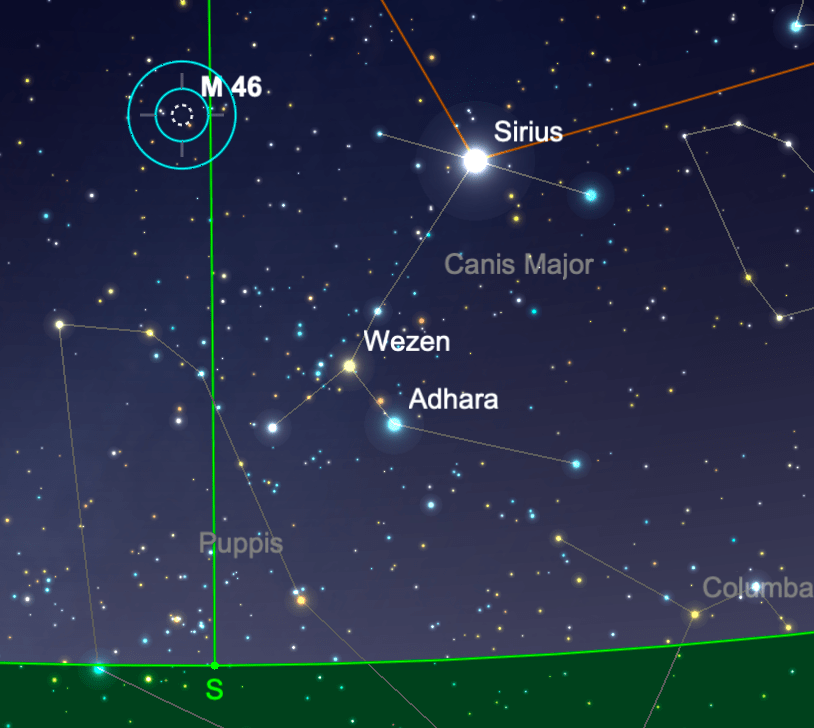
Mar 14th. – M46/M47 well placed
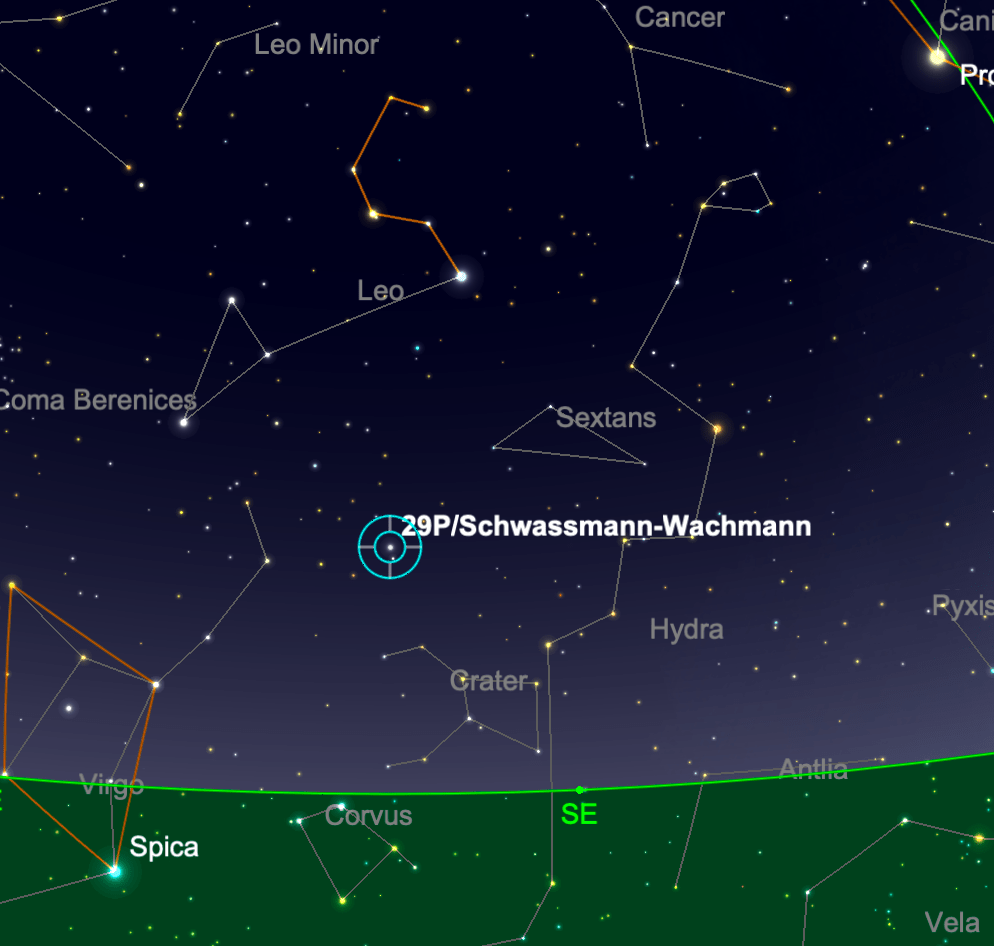
Comet 29P/Schwassman-Wachmann M=15?
Mar 15th – Spot Capella unaided eye before sunset this week
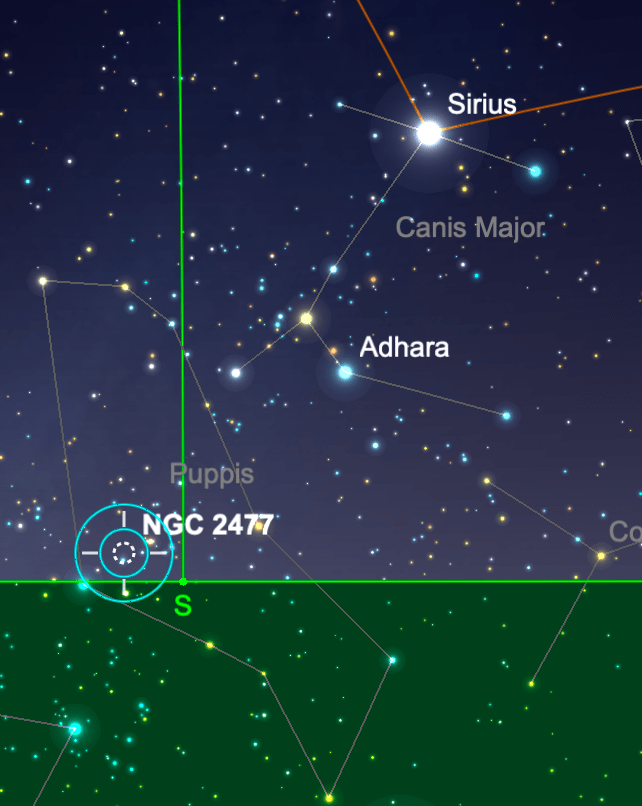
NGC 2477 well placed
Mar 18th – New Moon
Mar 19th – Young Crescent Moon in west after sunset
Mar 20th – Spring Equinox
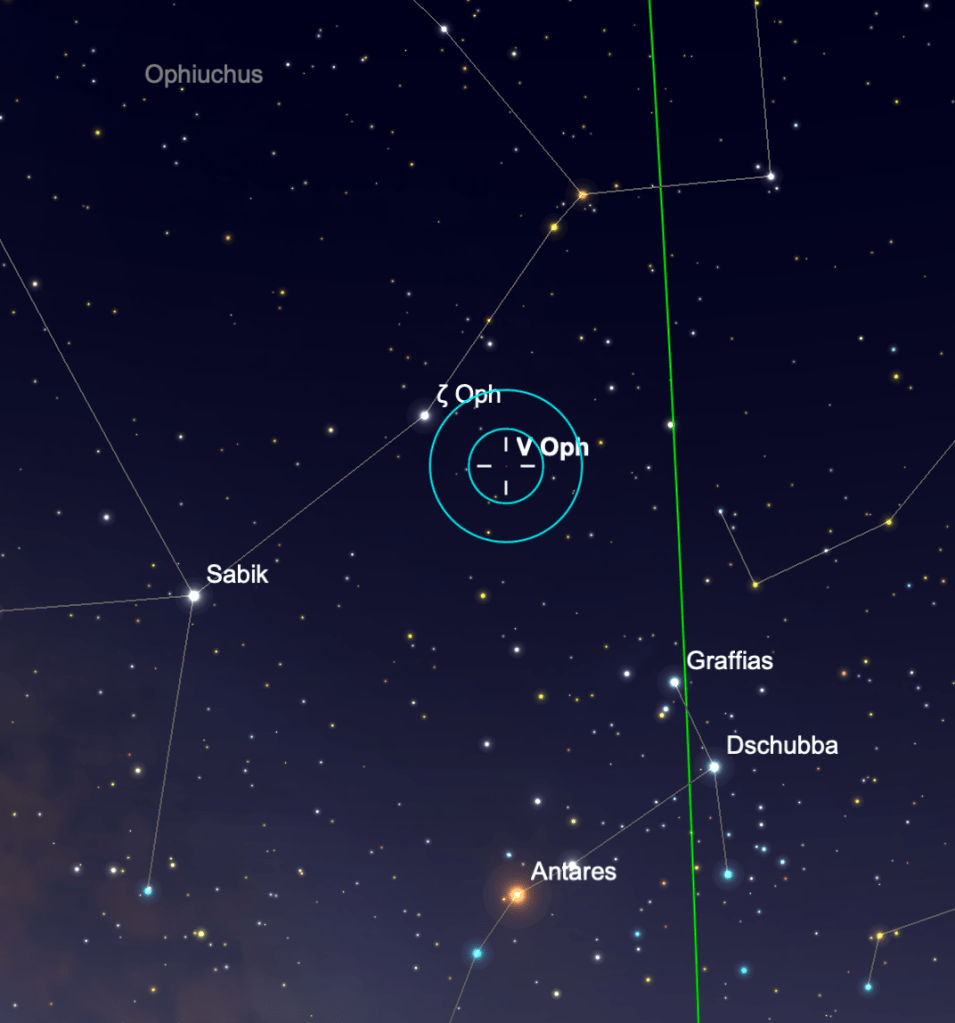
Carbon Star V Ophiuchi best in pre-dawn
Mar 21st – Asteroid 20 Massalia at opposition M=8.9
20 Massalia is a stony asteroid and the parent body of the Massalia family located in the inner region of the asteroid belt, approximately 145 kilometers (90 miles) in diameter. Discovered by Italian astronomer Annibale de Gasparis on 19 September 1852, it was named for the Latin name of the French city of Marseille, from which the independent discover Jean Chacornac sighted it the following night. It was the first asteroid that was not assigned an iconic symbol by its discoverer.
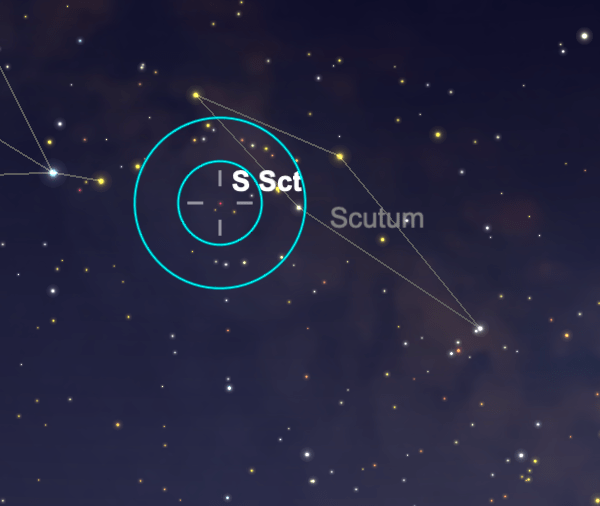
Mar 23rd – Carbon star S Scuti best in pre-dawn
Mar 25th – First Quarter Moon
Lunar X near crater Werner visible
Lunar straight wall visible
Asteroid 15 Eunomia at opposition
5 Eunomia is a very large asteroid located in the middle of the asteroid belt. It is the largest of the stony (S-type) asteroids and is estimated to contain approximately 1% of the total mass of the entire asteroid belt.
Key Facts and Discovery
- Discovery: It was discovered on July 29, 1851, by the Italian astronomer Annibale de Gasparis.
- Naming: Named after Eunomia, a Greek goddess (one of the Horae) who personifies order and law.
- Classification: It is the largest member of the Eunomia family, a group of S-type asteroids that likely originated from the same parent body after a massive collision.
Mar 26th – Jupiter 4-degrees S of Moon
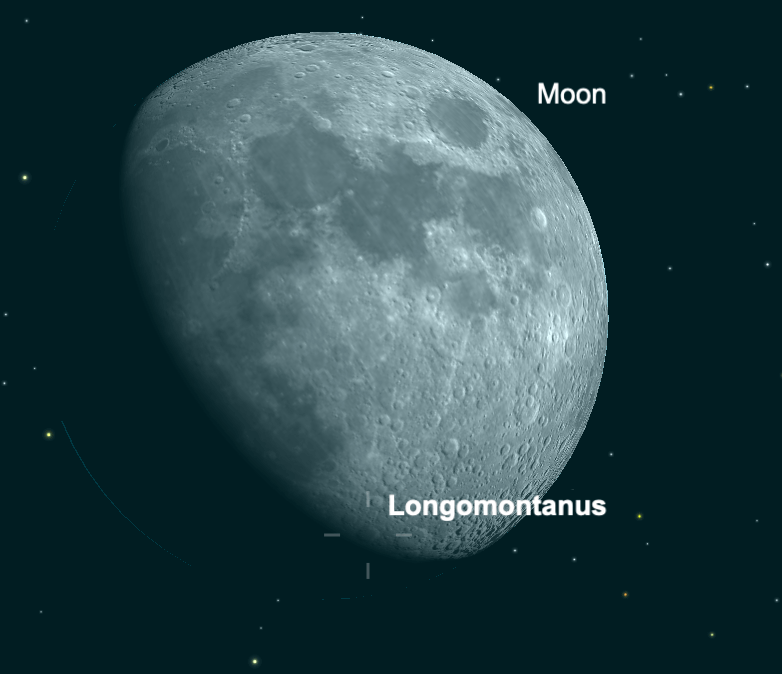
Mar 27th Longomontanus Ray visible on moon
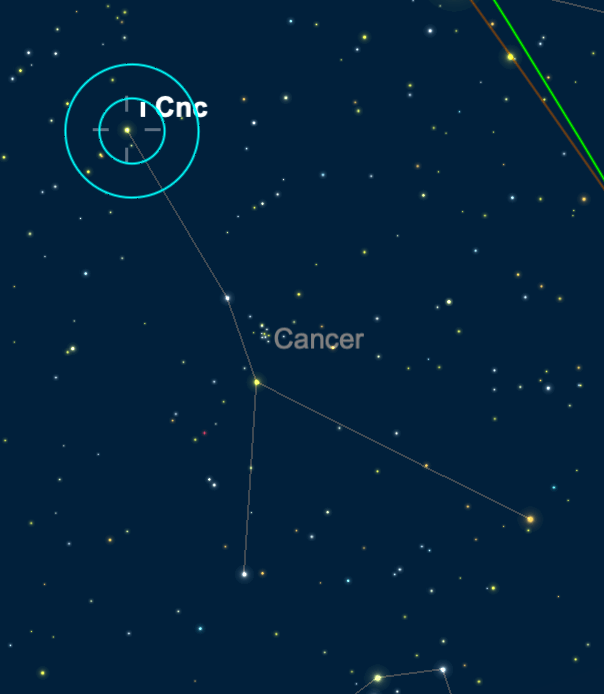
i Cancri colourful couple star
Mar 28th – Jewelled Handle Visible on Moon
Mar 29th Regulus 4-degrees S of Moon
 The Actual Astronomy Podcast
Shane, this is a great resource dude! Thank you for taking the extra time to put this together!
>
LikeLike