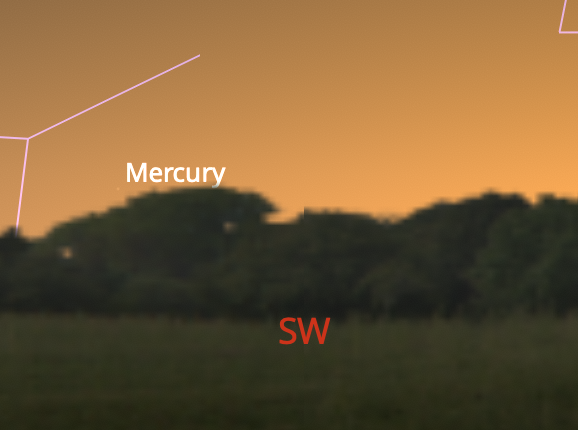
Dec 4th – Mercury at greatest Elongation in evening sky 21-degrees
Dec 5th – Last quarter Moon
Dec 6 – Curtis X visible – Day of Darkness
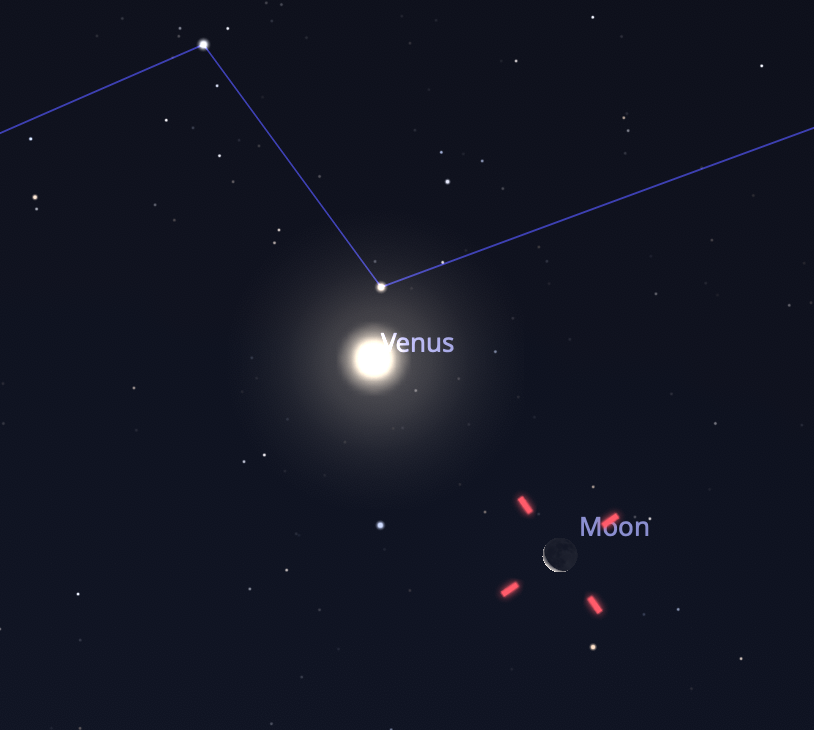
Dec 9 – Venus 4-degrees North of Moon
Dec 10 – try to spot Uranus at M=5.7 this week in Aries
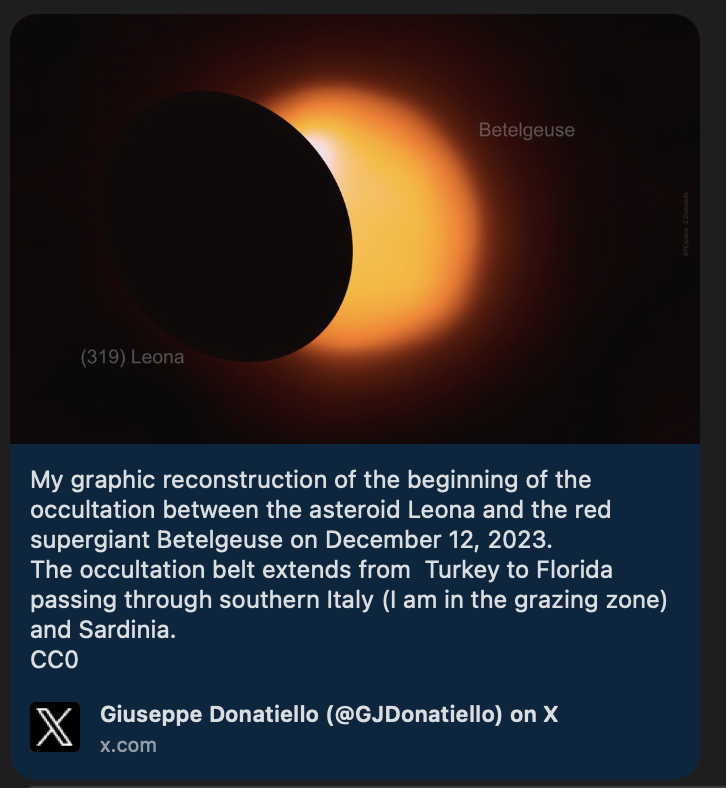
Dec 12th – New Moon
December 14 – Mercury 4-degrees north of the Moon — not here…at least in my software
And Geminid Meteor Show Peaks – ZHR = 120!
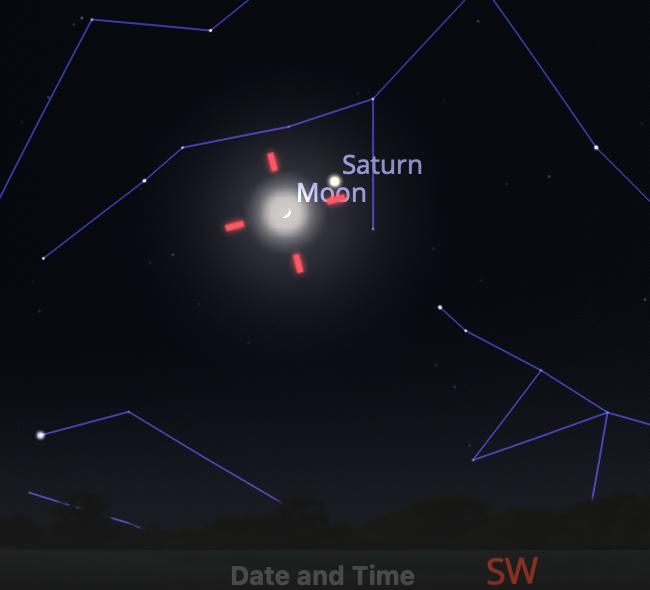
Dec 17 – Saturn 2-degrees N of Moon in Aquarius
December 19th Double Shadow Transit on Jupiter?
Dec 20 -Lunar Straight wall
And First Quarter Moon
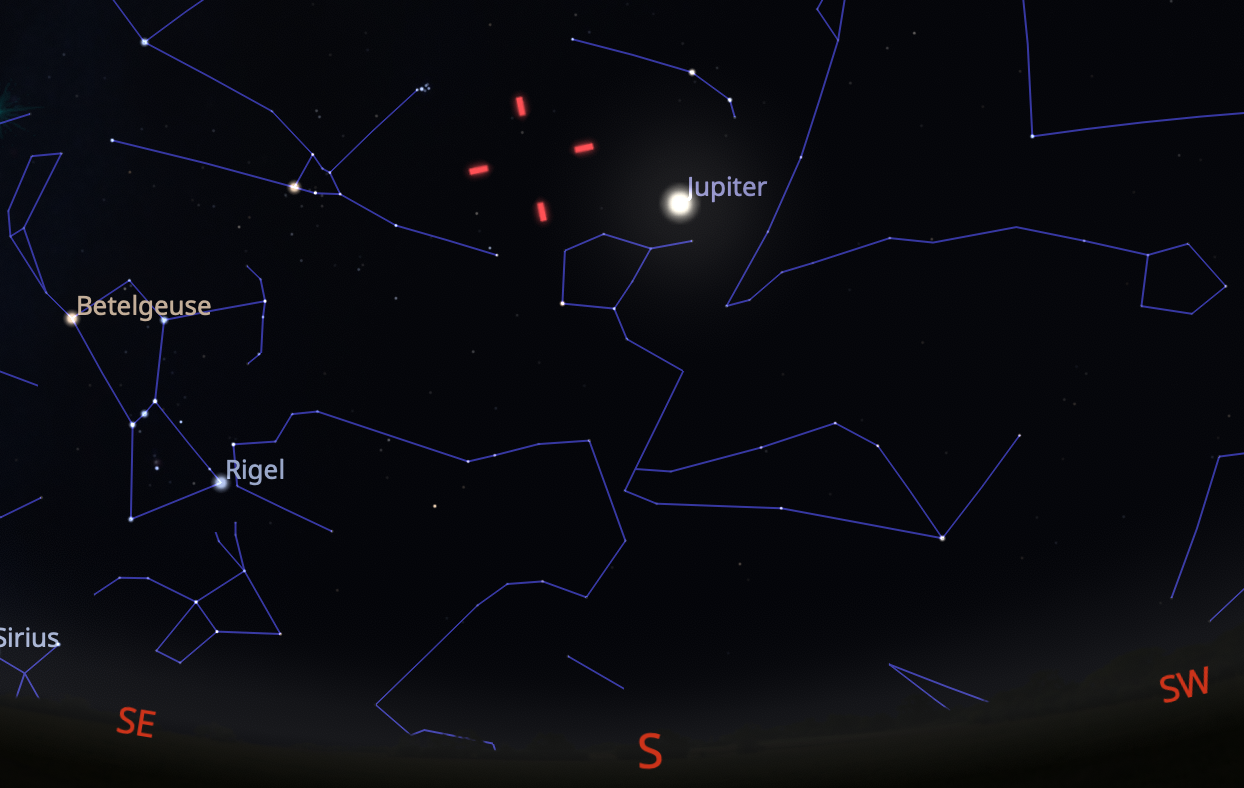
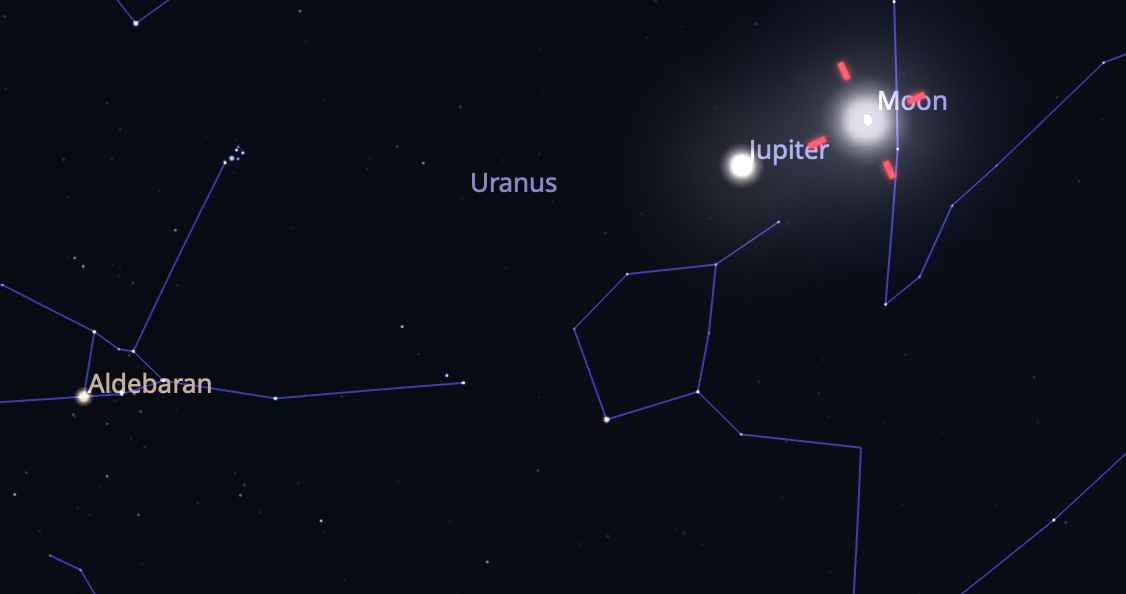
Dec 21 – Winter Solstice and Jupiter 3-degrees South of the Moon
Dec 22 – Ursid Meteor Shower Peaks – ZHR = 10
Asteroid Metis 9 at 8.4 magnitude opposition
discovered by Andrew Graham on 25 April 1848, at Markree Observatory in Ireland. Metis (minor planet designation: 9 Metis) is one of the larger main-belt asteroids. It is composed of silicates and metallic nickel-iron, and may be the core remnant of a large asteroid that was destroyed by an ancient collision. Metis is estimated to contain just under half a percent of the total mass of the asteroid belt.
Dec 26 – Full Moon
Dec 28 – Asteroid 5 Astraea at Opposition
5 Astraea is an asteroid in the asteroid belt. Its surface is highly reflective and its composition is probably a mixture of nickel–iron with silicates of magnesium and iron. It is an S-type asteroid in the Tholen classification system. Astraea was the fifth asteroid discovered, on 8 December 1845, by Karl Ludwig Hencke and named for Astraea, a Greek goddess of justice named after the stars. It was his first of two asteroid discoveries. The second was 6 Hebe. A German amateur astronomer and post office headmaster, Hencke was looking for 4 Vesta when he stumbled on Astraea. The King of Prussia awarded him an annual pension of 1,200 marks for the discovery.
Dec 30 – Double Shadow Transit on Jupiter YES!
 The Actual Astronomy Podcast